
Judicial Advisory Commission
The Judicial Advisory Commission (JAC) is a department within the Judicial branch of Boston University Student Government that is primarily concerned with maintaining the physical and digital archives. The JAC also works to consult with other departments within Student Government to provide a voice on judicial reviews and opinions, and publish bi-annual semester reports. These reports dive deep and discuss issues relevant to the actions of the JAC and Student Government as a whole. The JAC is composed of four Commissioners, who will serve until graduation.
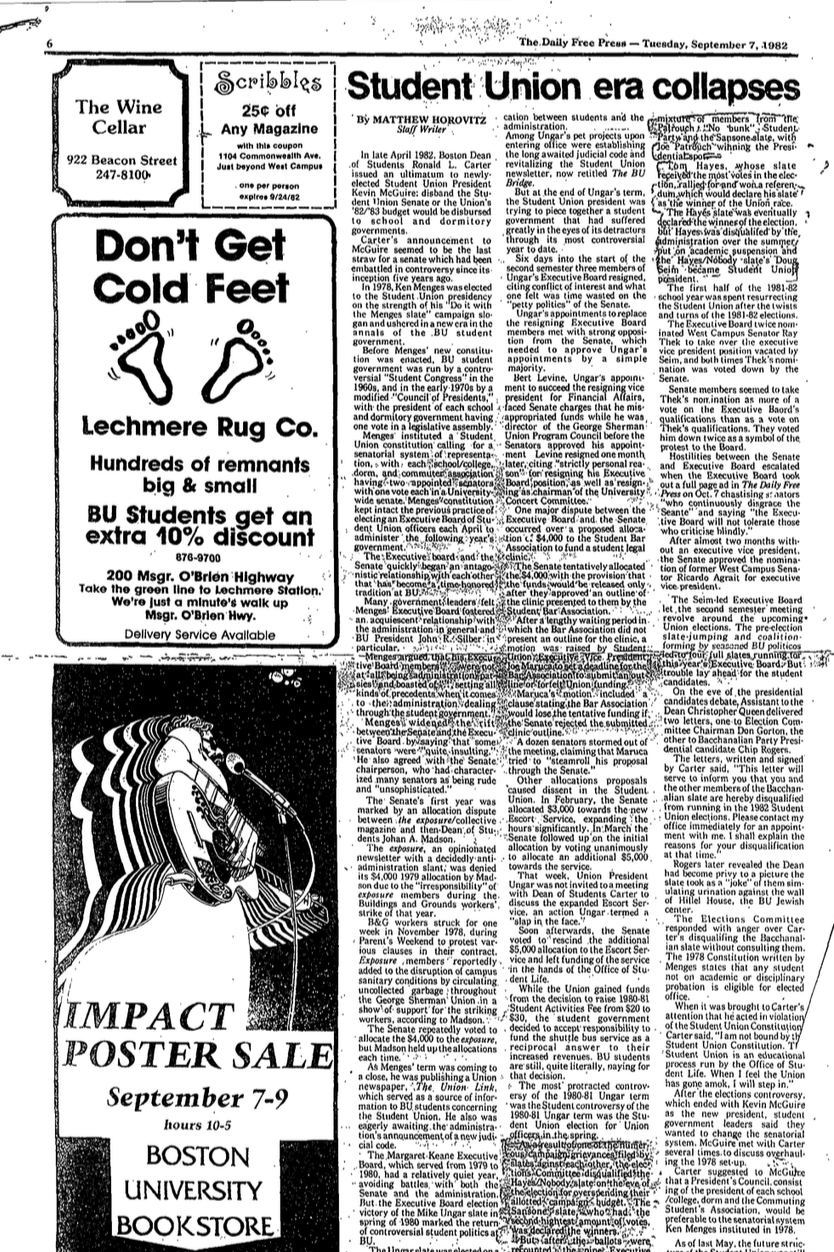
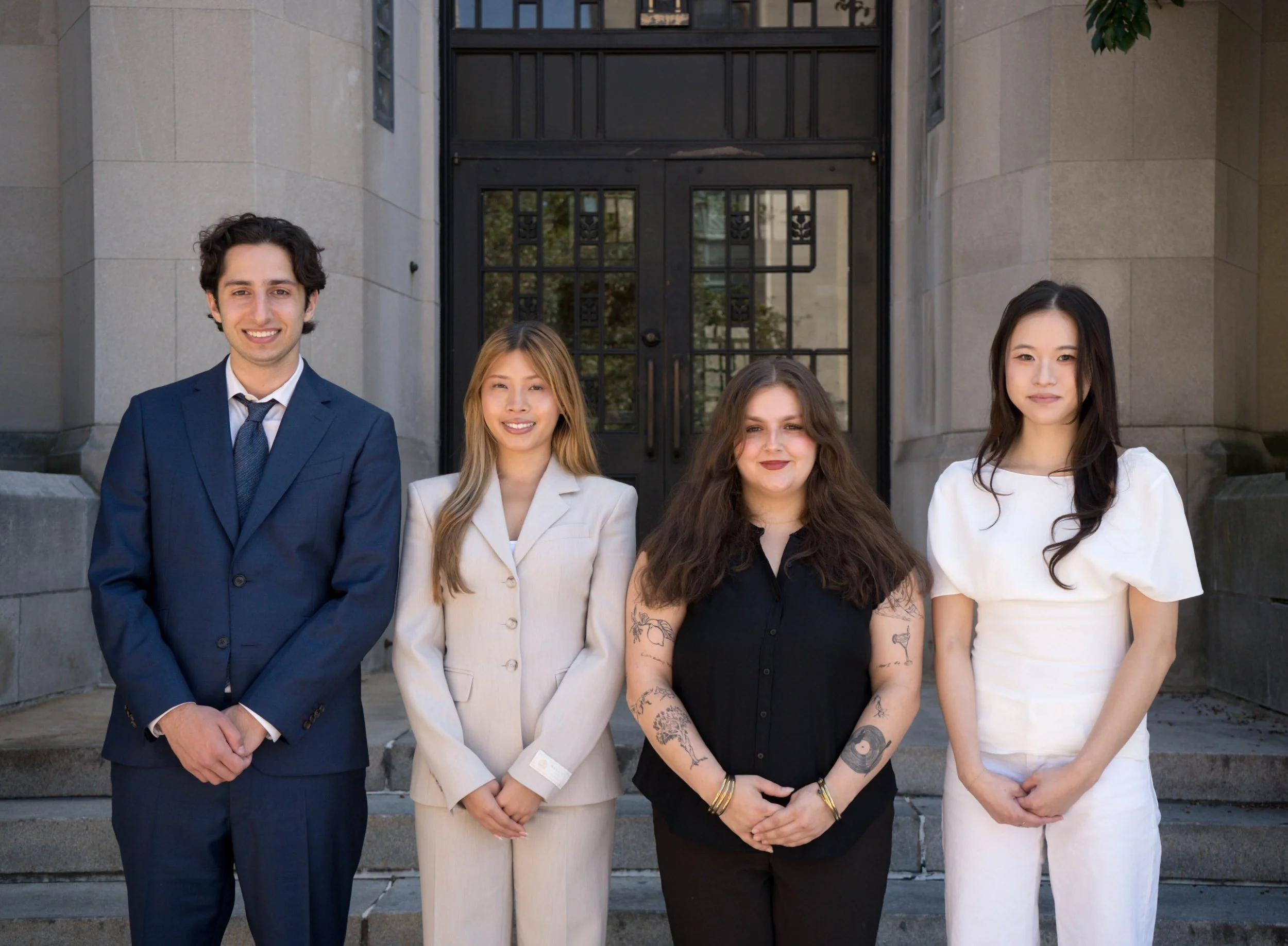
Meet the Team
-
![A woman with long, dark brown hair, wearing a black top and smiling, standing against a plain, light-colored background.]()
Anastasia Brown
CHAIR
Published:The Impact of ICE Deportations on BU’s international Students (2026)
-
![Portrait of a young woman with medium-length black hair, wearing a black blazer, looking directly at the camera with a slight smile, against a plain light background.]()
Alice Shi
CHAIR
Published:Prison Education in the United States, Massachusetts and Boston University: Historical Evolution and Impact (2026)
-
![Young woman outdoors with green foliage, smiling and winking, wearing a light-colored blazer and small earrings.]()
Sophia Lu
CHAIR
Published:Boston University’s Global Research Footprint: International Partnerships and Geopolitical Risk (2000–2025) (2026)


Final Reports AY 25-26
Prison Education in the United States, Massachusetts and Boston University: Historical Evolution and Impact
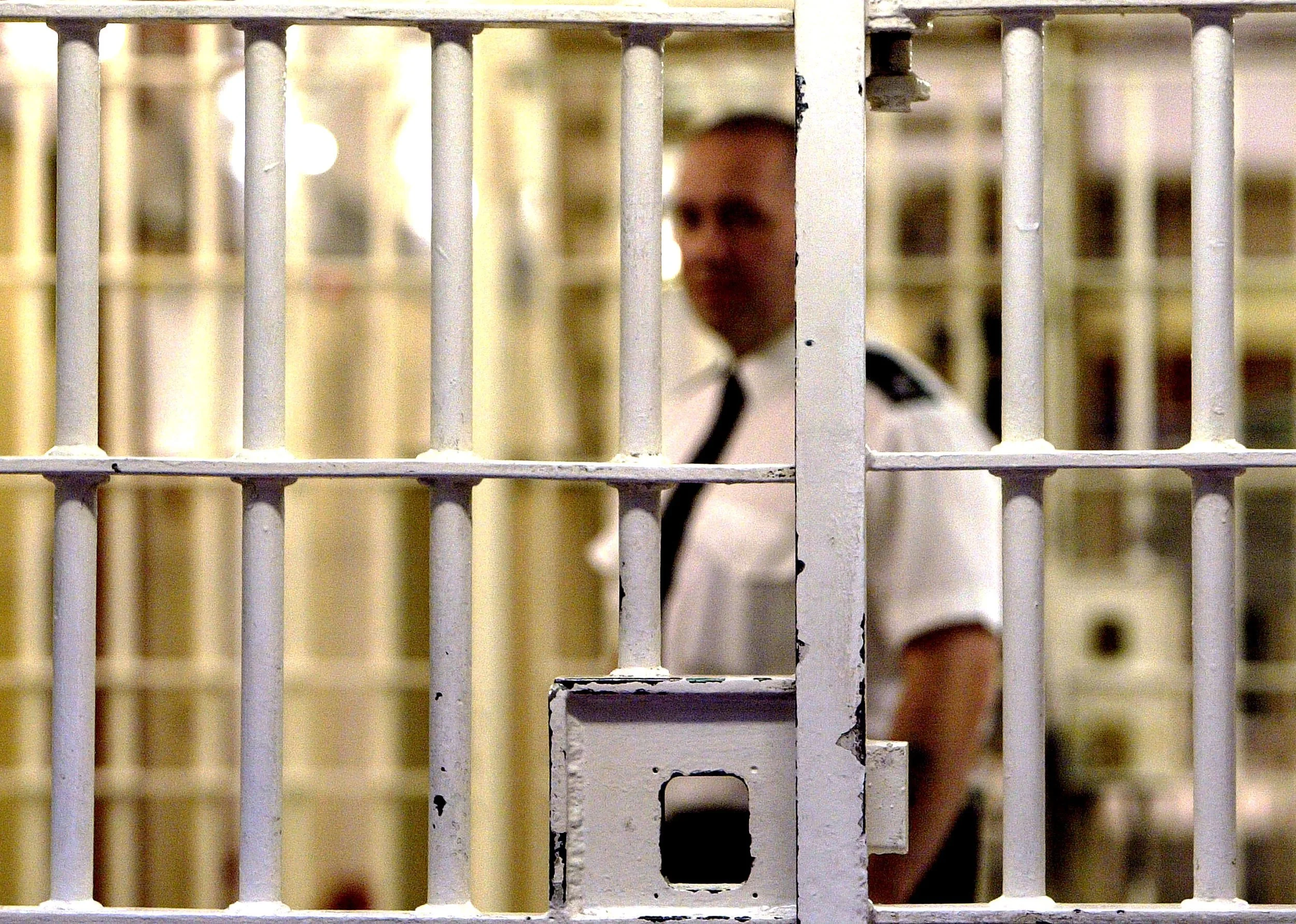
Higher academic education, more specifically in the public sector, has become an accessible resource for the incarcerated through the establishment of the Federal Pell Grants Program in the early 1970’s. Many public and private universities, such as Boston University, have created prison education programs and advocated for the benefits of such programs. Although the United States’ government and public sphere have historically grappled with the definition of punishment and rehabilitation, especially with the Violent Crime Control and Law Enforcement Act of 1994 stripping incarcerated people of Pell Grant eligibility, research has undoubtedly shown a direct result of recidivism decline (participation in education programs could reduce the risk of recidivism following release by about 66%). The premise of this research paper will dive into the history of prison education systems, especially BU’s own program (and other Massachusetts universities), supported by policies and data that has shown the empirical benefits of these programs in communities.
Written by
Alice Shi
Published
May, 2026
The Impact of ICE Deportations on BU’s international Students

In recent years, under the Trump Administration, U.S. Immigration and Customs Enforcement (ICE) oversaw a notable expansion in enforcement actions; such as increased detentions and deportations. According to the Department of Homeland Security (DHS), “...DHS has removed more than 675,000 illegal aliens…[under the Trump Administration]". However, the United States is also an international hub for accredited universities and colleges, with over 4,000 across the country (Education USA). These institutions are centers for educational advancement, offering research opportunities, career advancement and more – for both U.S. students and international students. In 2023-2024, there were more than 1.1 million international students enrolled at a U.S. higher education institution (Batalova). With such a large international student population, the recent increase in ICE enforcement actions has significant implications for international students. In recent years, there has been a decrease in the overall enrollment of international college students; many international students have also expressed increased anxiety in their status and safety in the U.S. By understanding this increase in ICE action and hearing the international students' concerns, universities — such as Boston University — can take action to protect their international students' safety and wellbeing.
Written by
Anastasia Brown
Published
May, 2026
Boston University’s Global Research Footprint: International Partnerships and Geopolitical Risk (2000–2025)
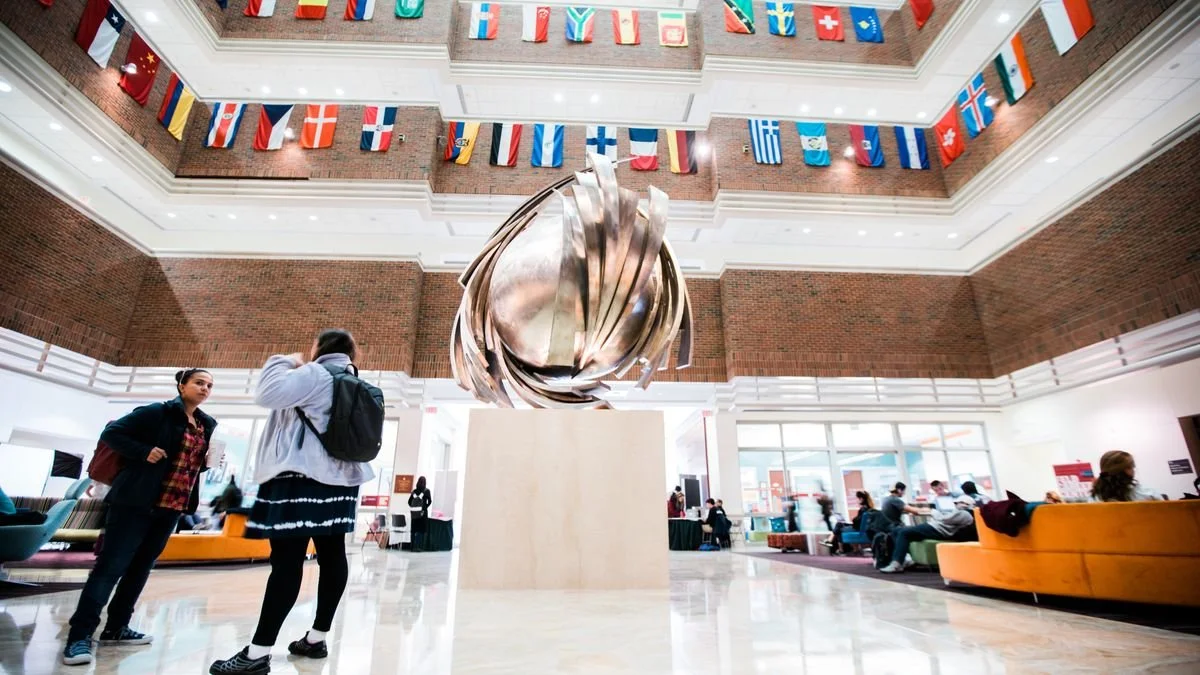
This report examines the evolution of Boston University’s international research collaboration network from 2000 through 2025 within the context of global geopolitical shifts and evolving federal research governance policies. Drawing on data from the National Science Foundation’s Science & Engineering Indicators and HERD Survey, the report documents a sustained increase in internationally co‐authored scientific publications and research expenditures, indicating deepening global scholarly engagement. Comparative figures from the Institute of International Education’s Open Doors data contextualize these trends within broader U.S. patterns of academic mobility. Institutional records from Boston University’s Office of Research annual reports reveal growth in research output and the establishment of global partnerships, while compliance documentation from BU’s Research Compliance and Export Controls offices details administrative responses to emerging national research security requirements. Finally, federal policy texts, including research security provisions embedded in the CHIPS and Science Act, provide the geopolitical policy backdrop against which these institutional changes occurred. Together, these sources offer a comprehensive, data‐grounded picture of how global research collaboration at BU has evolved, how institutional governance has adapted to shifting federal policies, and how the university’s research footprint engages with a more interconnected and security‐conscious global research environment.
Written by
Sophia Lu
Published
May, 2026

Archival Exhibits
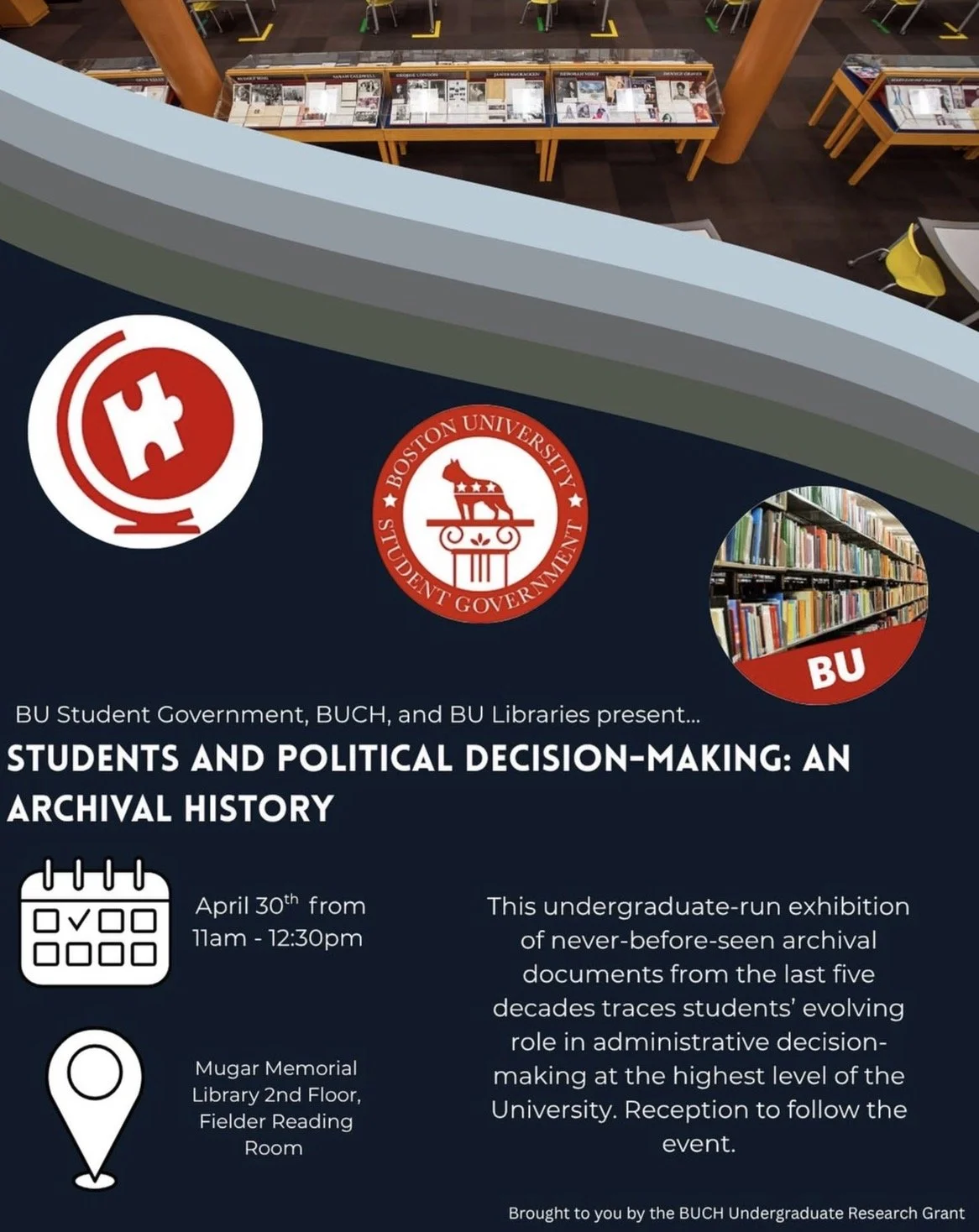
About the Exhibit
Student Government’s actions in mediating political and cultural differences in the student body has historically precluded the University’s efforts to do so. Over the last five decades, however, StuGov's role in promoting rational discourse, student well-being, and facilitating student political initiatives has declined. This decline has coincided with the University administration assuming an expanded role as both a socio-political mediator on campus and a resource through university sponsored events and initiatives.
The documents in this exhibit demonstrate that Student Government and the University administration are capable of working together to create programming, environments, and initiatives to bring students together through community service, political activism, and education. This partnership can be strengthened by placing student leaders back on influential committees within the Board of Trustees, President's Office, etc. Through this collaboration, the University and its students can more effectively work toward a shared vision for a better BU.